

Why Working with One Supplier for Windows, Doors, Shower Enclosures, and Glass Railings Can Improve Project Efficiency
In building materials sourcing, efficiency often has as much value as price. For importers, project buyers, distributors, and contractors, managing multiple product categories across different suppliers can quickly become complicated. Communication, quality coordination, order timing, and style consistency all become more difficult when procurement is spread across separate vendors. That is why more buyers are paying attention to the advantages of working with one supplier for multiple related categories such as windows, doors, shower enclosures, and glass railings.
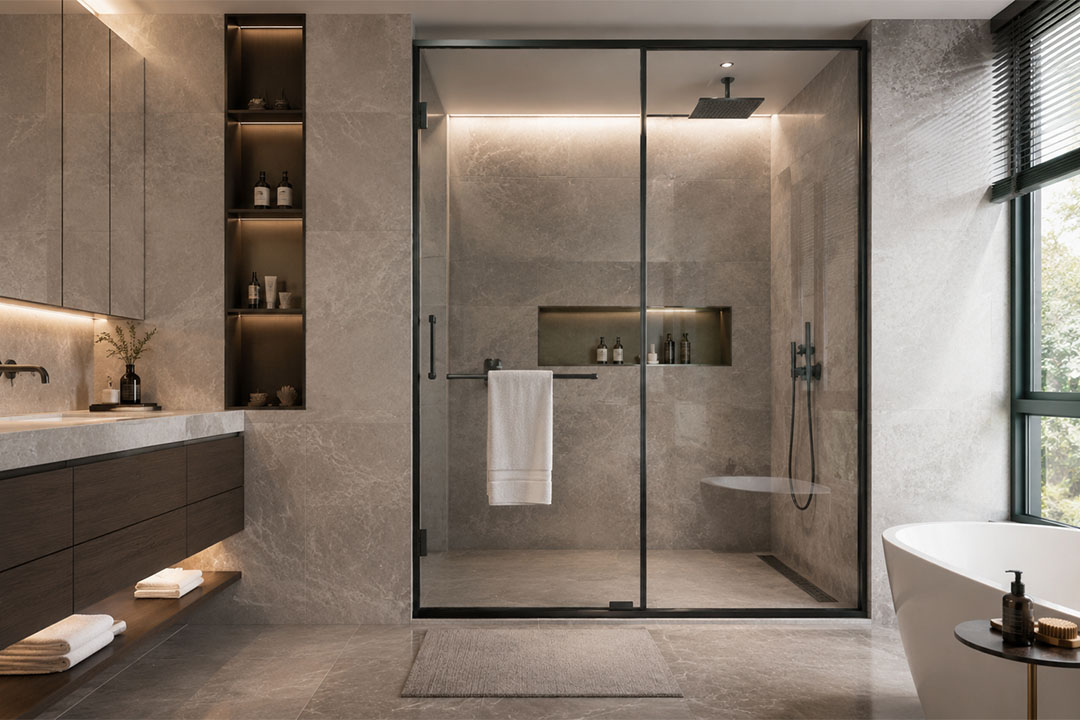
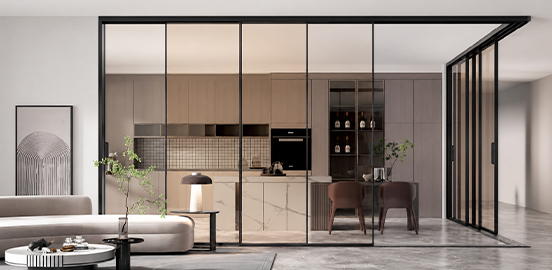
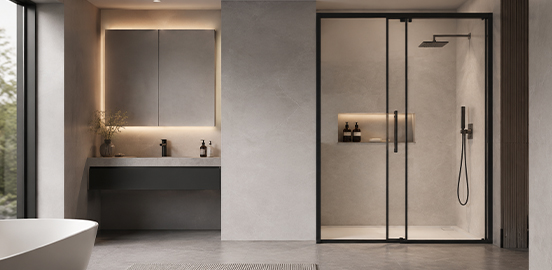
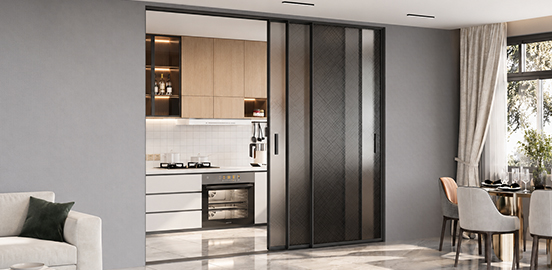
In many residential and commercial projects, these products are closely connected. Aluminum windows and doors influence both exterior appearance and interior light. Shower enclosures affect bathroom layout and style. Glass railings contribute to staircases, balconies, and interior openness. While these categories serve different functions, they all belong to the visible building environment and often need to align in quality, finish, and overall design language.
One of the biggest benefits of sourcing multiple product categories from one supplier is better coordination. When a buyer works with separate vendors for each category, every stage of the process becomes more fragmented. Product confirmation, quotation updates, finish matching, order schedules, and shipping details all require separate communication streams. This can increase the chance of mistakes, delays, or inconsistency. A supplier with coordinated product coverage helps simplify the process and makes sourcing more manageable.
Time efficiency is another major advantage. International buyers often work under tight project schedules and need faster communication during inquiry and order stages. When products are handled through one supply channel, it is usually easier to streamline discussions and reduce repeated back-and-forth across multiple companies. This is particularly useful for project-based orders, where different categories may need to be reviewed and confirmed within the same timeframe.

Visual consistency is also easier to manage with a coordinated supplier. In modern architecture, different building elements are expected to feel connected. Buyers often want a clean and unified result across windows, doors, railings, and bathroom glass systems. Working with one supplier does not automatically guarantee this, but it often improves the chance of achieving a more consistent look because the products are being developed and presented within one overall system.
For importers and distributors, one-supplier sourcing can also improve business flexibility. A broader product range means there is more opportunity to serve customers with different needs. Instead of offering only windows or only doors, the buyer can potentially provide a more complete building materials package. This can improve customer convenience in the buyer’s own market and create stronger business positioning over time.
Another practical benefit is communication efficiency. Buyers usually value suppliers who provide clear responses and stable follow-up. When several categories are handled under one relationship, communication can become more direct and more efficient. Instead of repeating project requirements to multiple vendors, the buyer can work through one main contact point. This often helps reduce misunderstandings and keeps order progress more visible.
Customization support is also easier to coordinate when product categories are sourced together. Projects rarely require exactly the same solution every time. Sizes, finishes, styles, and layout conditions may change from one order to another. A supplier that understands multiple categories within the same project environment may be better able to support coordinated adjustments. This is especially useful for buyers handling villas, apartment developments, renovation projects, or commercial building orders.
Supply consistency is another factor to consider. In project procurement, a smooth sourcing experience depends not only on product quality but also on how well different categories move together in planning and delivery. When the supplier can support multiple categories within one manufacturing system, it may become easier to align expectations and reduce sourcing complexity. This does not eliminate all challenges, but it can create a more efficient procurement structure.
Working with one supplier can also support stronger long-term cooperation. Buyers in the building materials industry often prefer to develop dependable supplier relationships rather than constantly manage new vendor searches. If one manufacturer can provide a broader and well-organized product range, that relationship may become more valuable over time. It can lead to more stable order handling, clearer expectations, and smoother cooperation in future projects.
Of course, buyers should still evaluate the supplier carefully. A broader product range only adds value when it is backed by stable manufacturing, clear communication, and dependable product quality. A company that offers several categories but cannot support them consistently may create more problems than it solves. For that reason, buyers should look for suppliers whose coordinated product range is matched by practical production capability and responsive follow-up.
In today’s competitive building materials market, project efficiency matters. Buyers are not only comparing products. They are also comparing how easy and reliable the sourcing process is. Working with one supplier for windows, doors, shower enclosures, and glass railings can help improve coordination, reduce communication complexity, and support more efficient project execution.
For importers, distributors, and project buyers, this sourcing model offers clear practical value. It helps simplify procurement while supporting a more unified product offering. When backed by the right manufacturing partner, coordinated sourcing can become a real advantage in both everyday business and project-based supply.