
How to Choose the Right Aluminum Windows for Residential and Commercial Projects
When selecting aluminum windows for a building project, buyers are rarely looking at appearance alone. Whether the project is a private residence, a villa, an apartment development, or a commercial building, the right window system needs to balance performance, design, durability, and long-term value. For importers, contractors, developers, and project buyers, understanding what makes a suitable aluminum window system is essential for making better purchasing decisions.
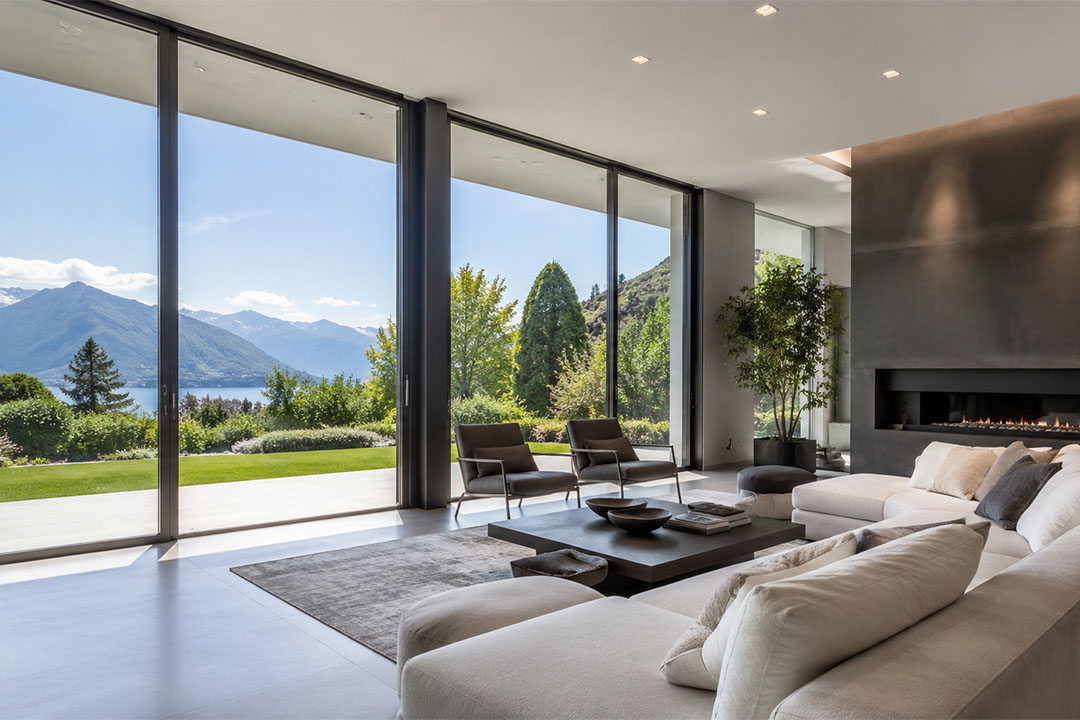
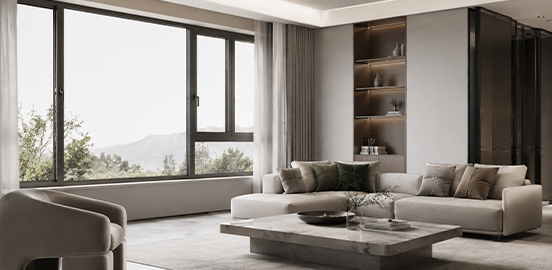
Aluminum windows have become a popular choice in modern construction because of their clean appearance, structural strength, and flexibility in design. Compared with some traditional materials, aluminum frames can support slimmer profiles, larger glass areas, and a more contemporary look. This makes them especially suitable for modern architecture where natural light, visual openness, and simple lines are highly valued.
One of the first factors to consider is the application of the window. Different building types often require different window solutions. In residential houses, comfort and daily usability are usually priorities. Homeowners often pay attention to ventilation, daylight, sound insulation, and how well the windows fit the overall design of the house. In commercial projects, buyers may pay more attention to consistency across units, installation coordination, and durability in high-traffic or large-scale environments. Understanding the end use helps narrow down the most suitable aluminum window types.
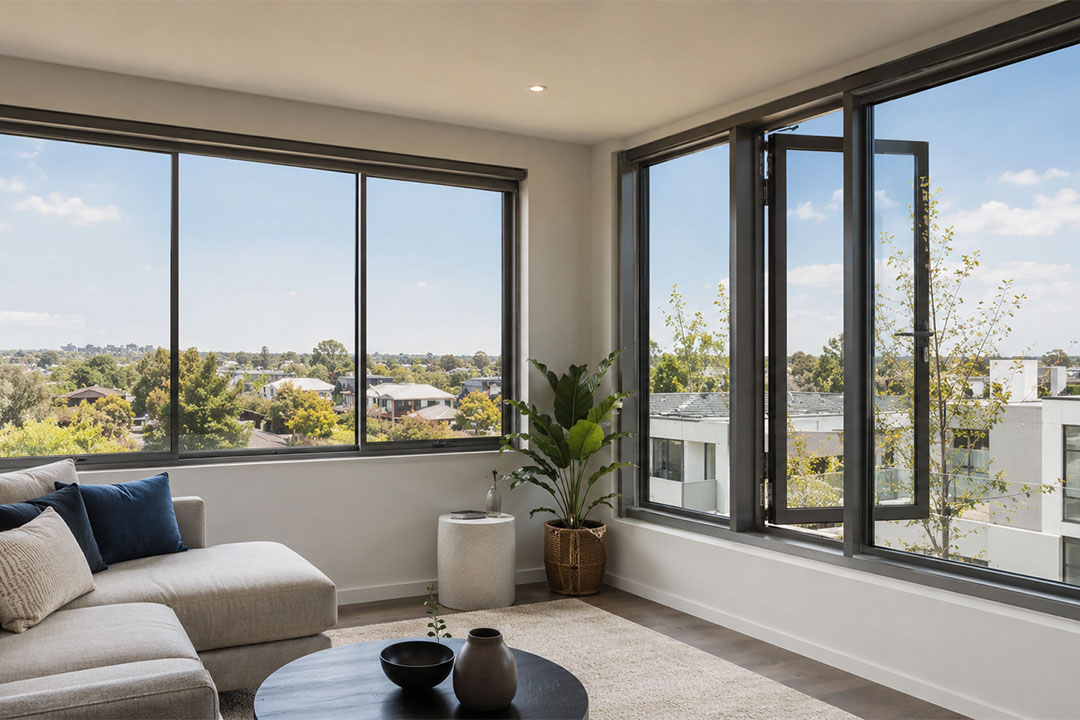
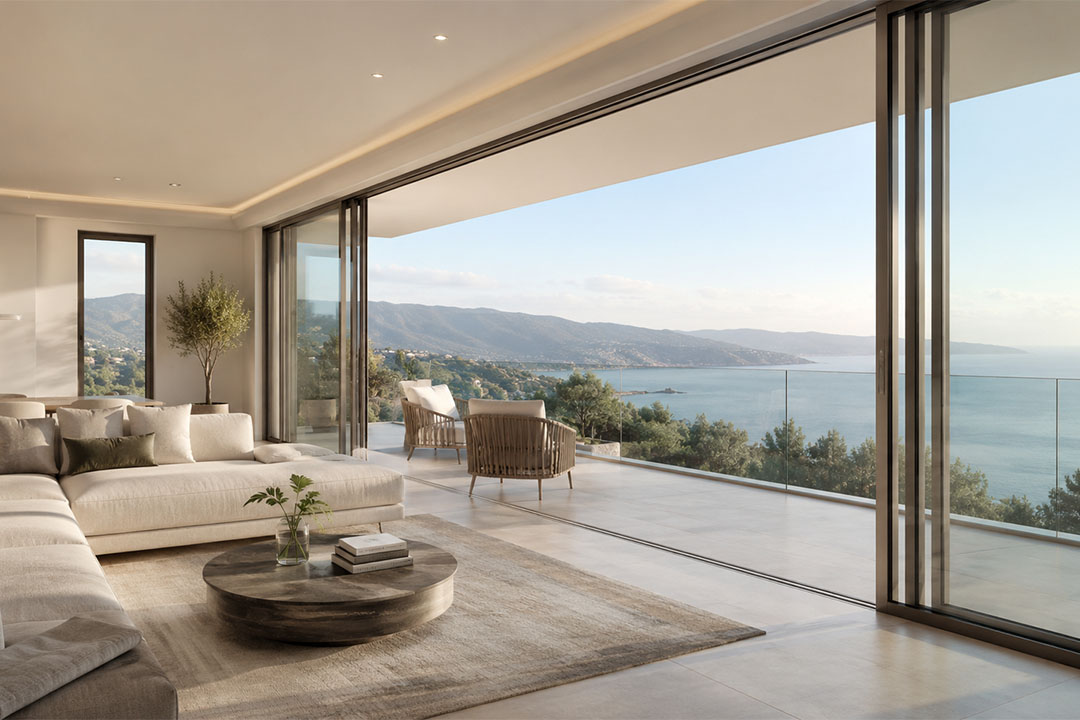
The choice of opening style is also important. Sliding windows are often selected for their space-saving design and ease of operation. They work well in areas where outward or inward opening is limited. Casement windows are commonly chosen when better ventilation and sealing performance are needed, since they can provide a tighter closure when shut. Folding windows may be preferred in some design-oriented applications where larger openings and more flexible use of space are required. Each opening style has practical benefits, and the right option depends on the layout and usage requirements of the building.
Another key consideration is the quality of the aluminum profile. Window performance is not determined by appearance alone. The stability of the frame, the precision of fabrication, and the overall workmanship all affect long-term use. Buyers should pay attention to whether the manufacturer has a stable production system and whether the window products are made with attention to consistency. In project supply, consistency matters because it affects installation, visual uniformity, and the performance of the finished building.
Glass configuration is another important part of choosing aluminum windows. In many projects, the glass area plays a major role in both aesthetics and performance. Different projects may require different glass options depending on local climate, privacy requirements, or functional priorities. For example, some projects focus more on daylight and openness, while others may place greater importance on insulation, sound control, or energy efficiency. A window supplier with customization capability is often better positioned to support a wider range of project needs.
Surface finish is also worth evaluating. Aluminum windows are not only functional building products but also visible parts of the final space. Color, texture, and finish quality all influence the overall architectural appearance. For many buyers, especially those serving higher-end residential or design-oriented projects, finish consistency is an important factor. A well-finished aluminum window should support the visual style of the building while also remaining practical for long-term use.
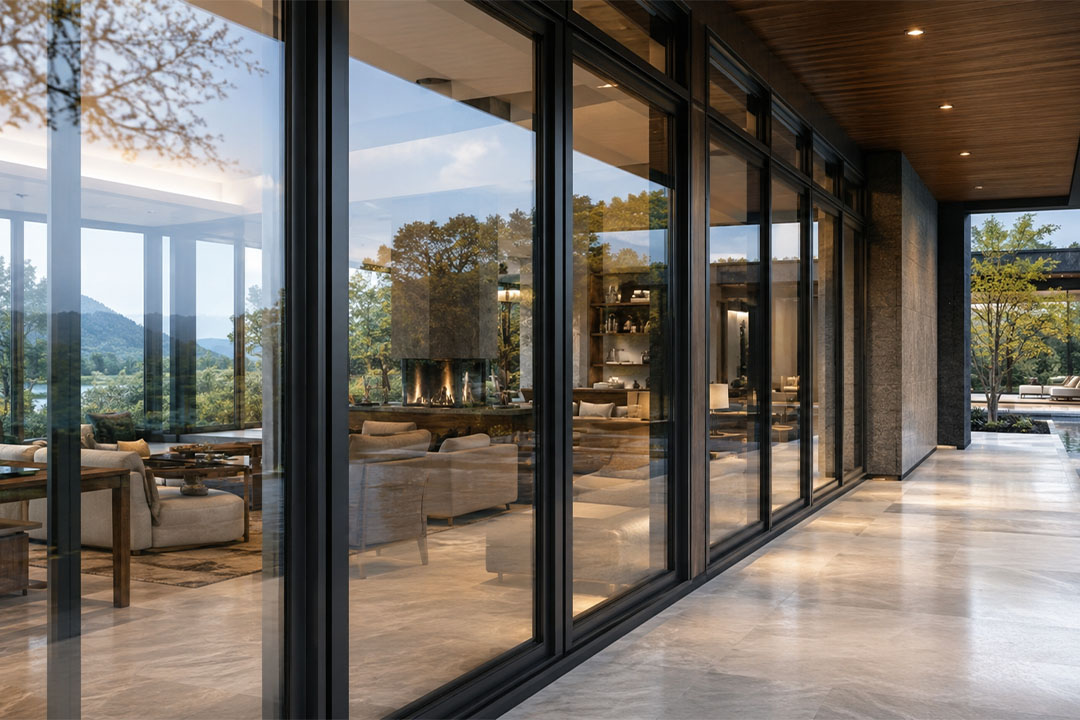
For project buyers and importers, customization support is often one of the most valuable capabilities a supplier can offer. Standard window systems may work for some orders, but many projects require adjustments in size, opening type, frame color, glass selection, or hardware configuration. A manufacturer that can provide flexible support for different requirements helps reduce sourcing limitations and makes the procurement process more efficient. This is especially useful for customers managing different project types or different market demands.
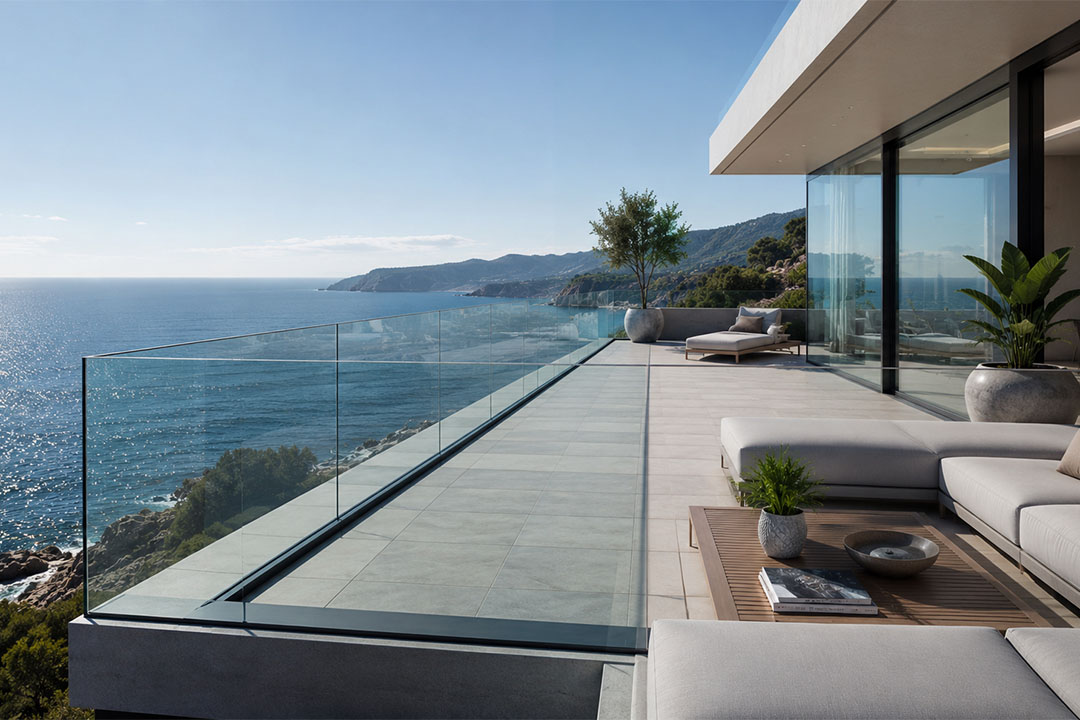
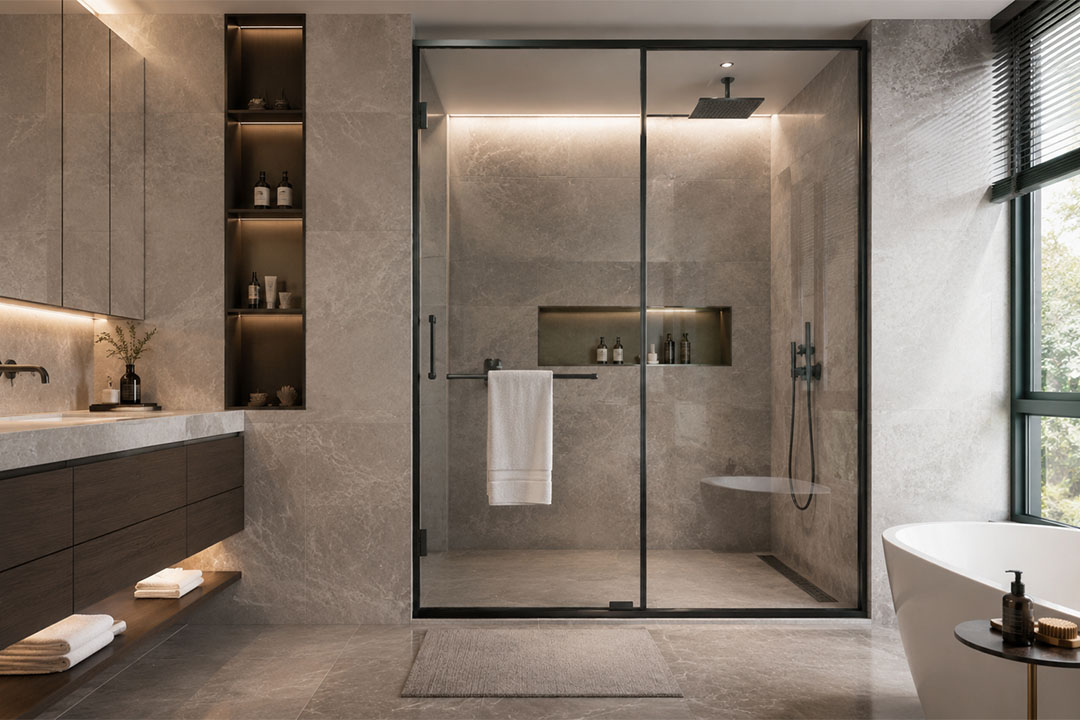
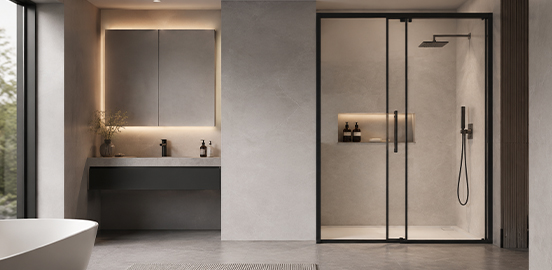
Another point buyers should consider is whether the supplier offers a coordinated product range. In many building projects, window sourcing is connected with other categories such as doors, shower enclosures, or glass railing systems. Working with a supplier that covers multiple related product categories can make communication smoother and sourcing more efficient. It can also simplify project planning and reduce the complexity of dealing with multiple vendors.
Reliable communication is another factor that should not be underestimated. In international business, delays and misunderstandings can affect both schedules and customer confidence. Buyers often prefer manufacturers who can provide clear product information, timely follow-up, and stable communication throughout the process. Good communication is not only a service matter. It also supports more accurate order execution and smoother coordination between both sides.
In the end, choosing the right aluminum windows is about more than comparing product photos or price lists. Buyers need to look at product suitability, manufacturing consistency, customization capability, and supplier reliability as a whole. A well-chosen aluminum window system can support not only the appearance of a project but also its long-term performance and user satisfaction.
For importers, contractors, and project buyers, aluminum windows remain a practical and versatile choice in today’s market. With the right supplier and the right product selection, they can meet the needs of both residential and commercial projects while supporting better results in design, function, and delivery.