

Glass Railings in Modern Architecture: Benefits, Applications, and Sourcing Considerations
Glass railing systems have become a popular feature in modern architecture, appearing in residential, commercial, and hospitality projects around the world. Their clean appearance, ability to maintain visual openness, and compatibility with contemporary design make them a strong choice for many building applications. For importers, contractors, developers, and material buyers, understanding the value and sourcing considerations of glass railings is increasingly important.
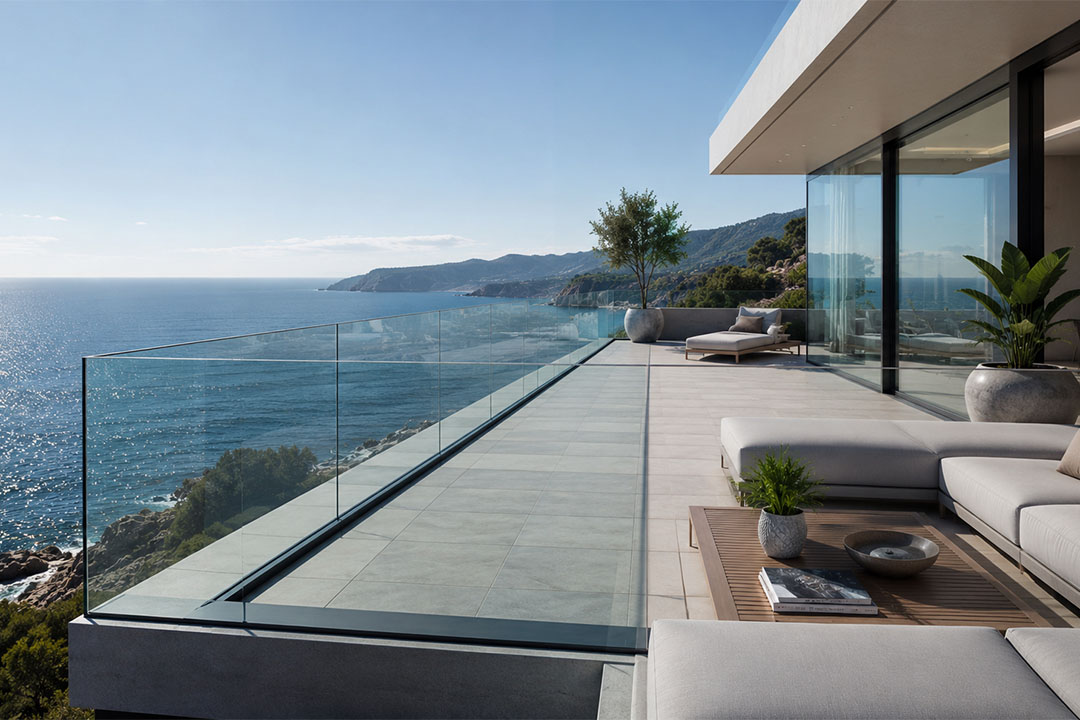
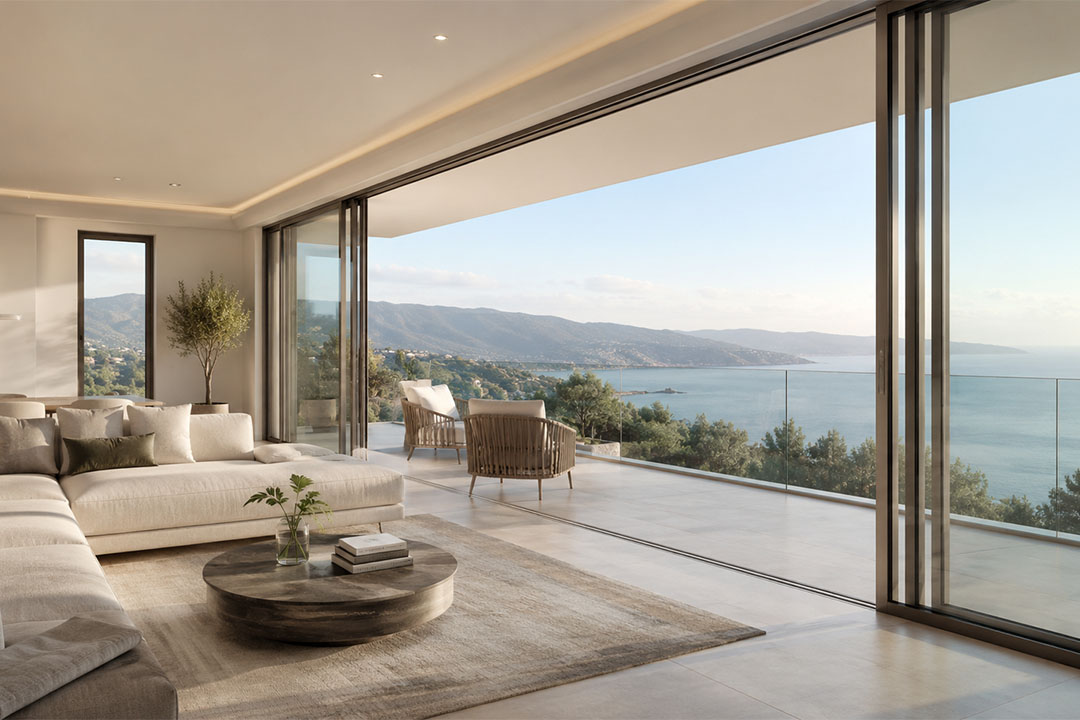
One of the main reasons glass railings are widely used is their aesthetic impact. In modern architecture, open views and simple lines are highly valued. Traditional railing styles can sometimes interrupt the visual flow of a space, especially in balconies, staircases, terraces, or interior areas with strong design emphasis. Glass railings help maintain a cleaner and lighter appearance while still serving a practical safety function. This combination makes them especially attractive in projects where both design and usability matter.
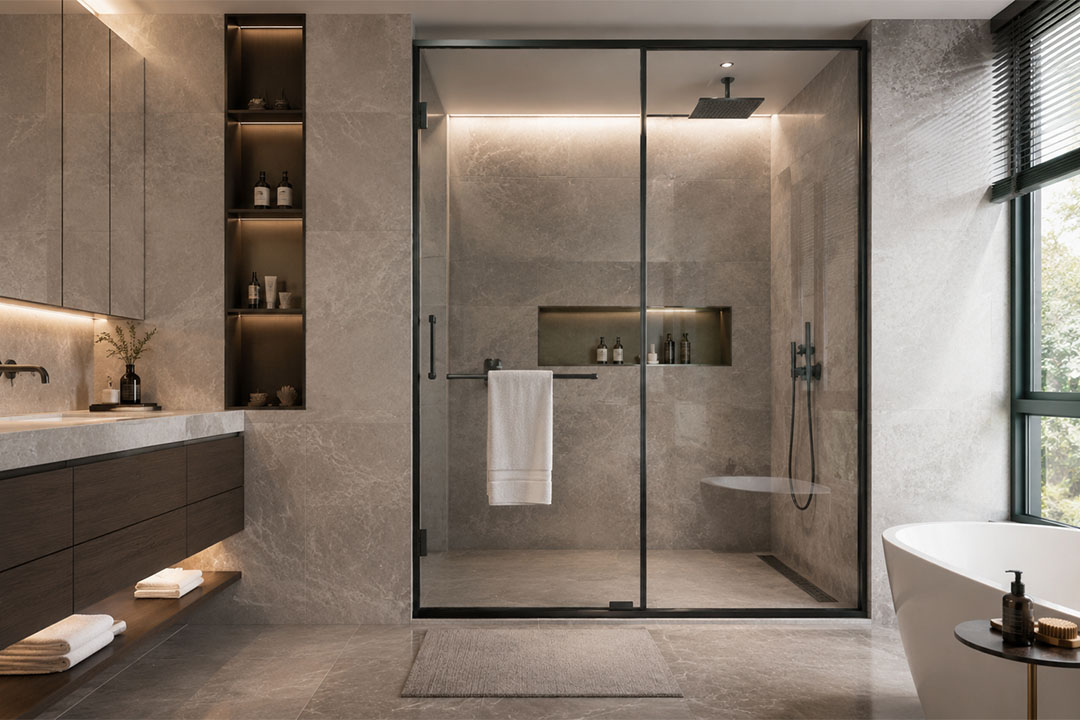
Glass railings are often chosen for residential villas, apartments, balconies, stairways, and commercial interiors. In many homes, they are used to create a more open and refined look around staircases or upper-floor areas. In outdoor applications such as balconies and terraces, they help preserve views and improve the sense of space. In commercial projects, glass railing systems can support a more modern and premium architectural impression, particularly in offices, hotels, showrooms, and public-use spaces.
Another important benefit of glass railings is their versatility. They can fit different architectural environments without dominating the overall design. This is useful in projects where railing systems need to complement windows, doors, flooring, and other visible materials. Because they are visually lighter than many traditional railing styles, glass railings can work in both minimal and more decorative spaces without creating too much visual weight.
For buyers, however, the value of a glass railing system is not only about appearance. Product quality, manufacturing consistency, and installation suitability also matter. A glass railing needs to fit the project correctly and contribute to the practical safety and usability of the space. That means buyers should work with suppliers who understand the product as part of the building system, not just as an isolated design element.
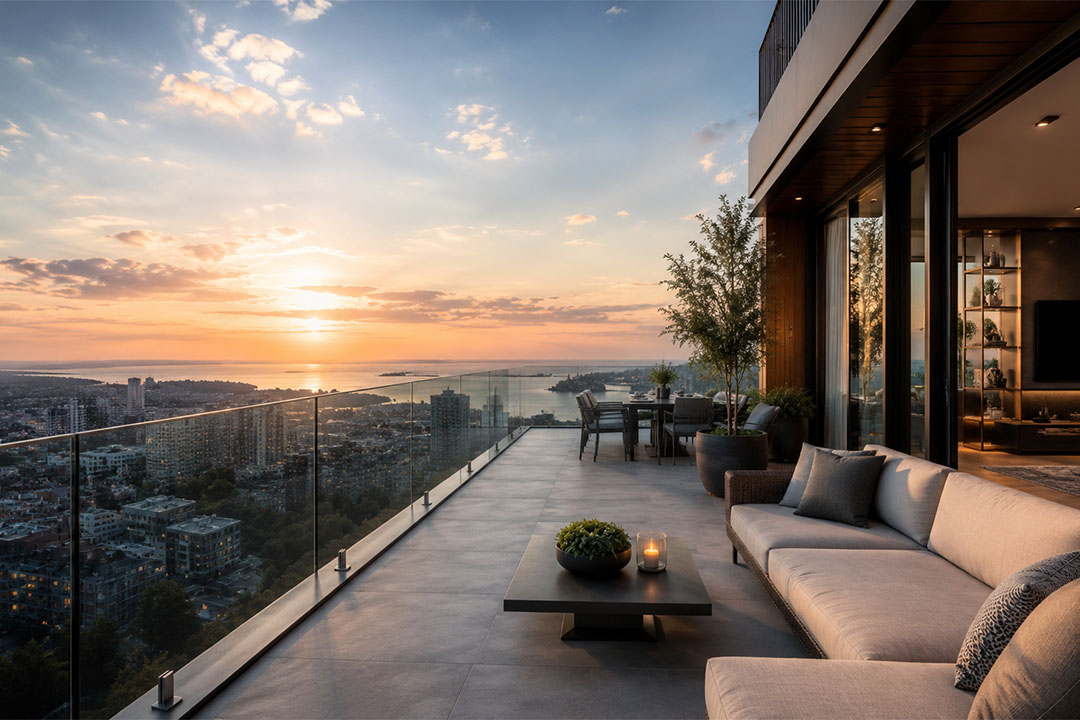
Manufacturing consistency is especially important in this category. Because glass railings are highly visible after installation, details such as finish quality, neat fabrication, and coordinated appearance all affect the final result. Importers and project buyers often prefer suppliers who demonstrate attention to workmanship and product consistency. These factors make a major difference in both residential and commercial applications, where final visual quality directly influences client satisfaction.
Sourcing flexibility is also an advantage. Different projects may require different railing configurations depending on the application area, architectural style, and local market expectations. A supplier with customization support can better assist buyers who handle varied projects or serve multiple customer groups. This is especially useful in international trade, where one market may prefer one design direction while another market may require different finishes or configurations.
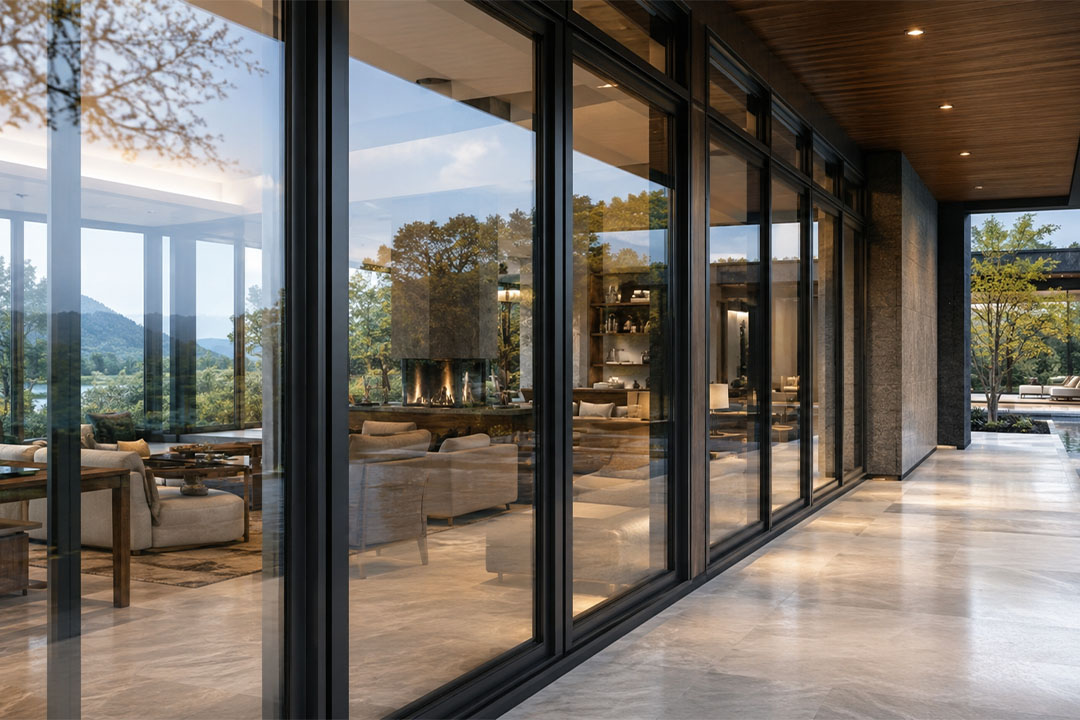
Glass railings are also often sourced together with other architectural categories. Many buyers looking for railing solutions may also need aluminum windows, aluminum doors, or other building-related products. When a manufacturer offers several related categories, procurement becomes more coordinated. This can reduce complexity in sourcing and improve communication efficiency, particularly for customers handling project-based supply or broader building materials distribution.
Another important sourcing consideration is communication. Clear product information, timely follow-up, and accurate order coordination all help reduce purchasing risk. Glass railing projects often require attention to dimensions, style details, finishing, and packaging. A responsive supplier can help the buyer move from inquiry to order more efficiently and with fewer misunderstandings.
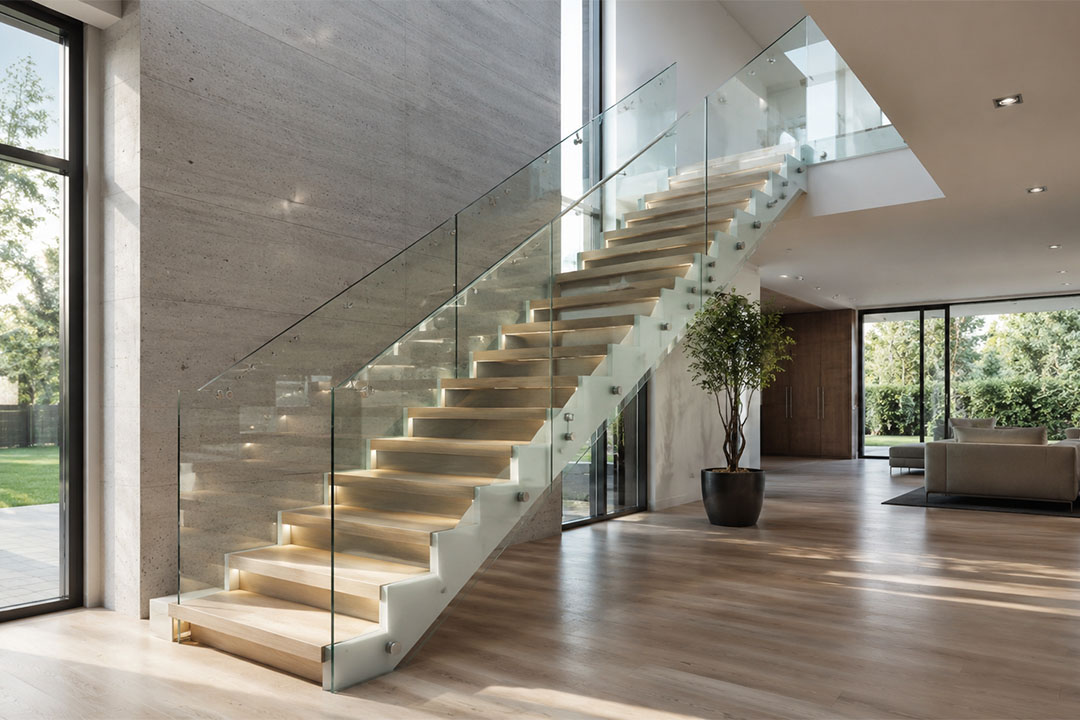
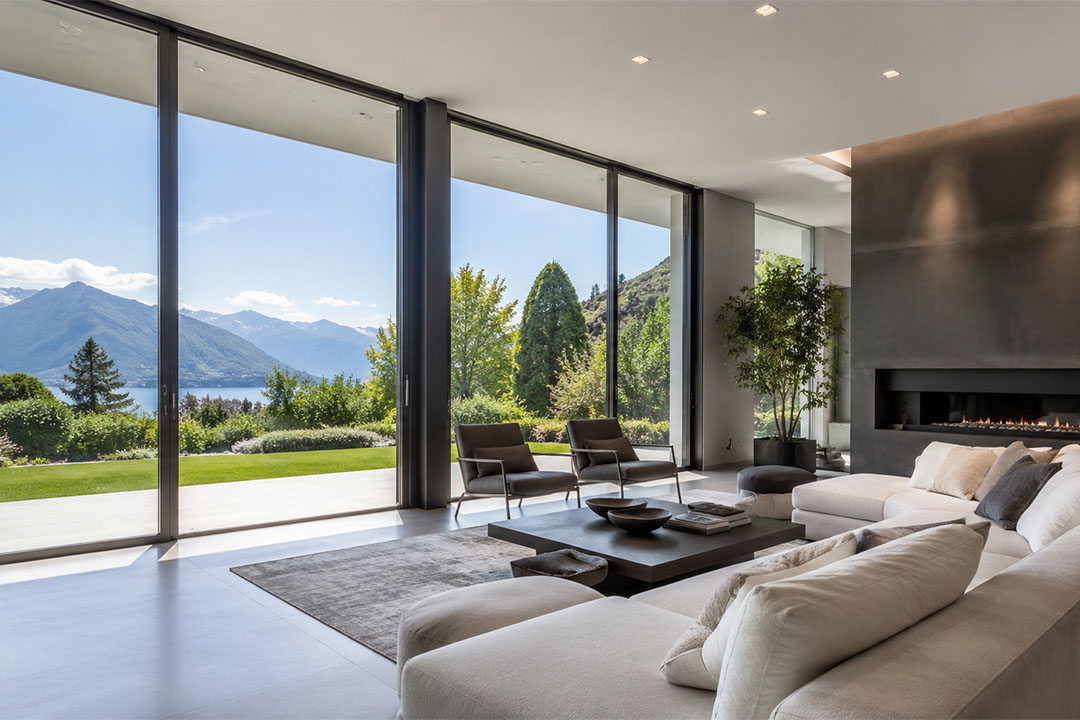
Glass railings also align well with current architectural trends. Modern projects increasingly emphasize natural light, open space, and visual continuity. Products that help support this design language are more likely to remain relevant in the market. For importers and distributors, this makes glass railings a practical category to include in a modern building materials portfolio.
In addition, glass railing systems can help add value to finished spaces. For developers and project contractors, products that improve the appearance and feel of a project can influence how the space is perceived by end users. A visually open balcony or staircase area often feels more contemporary and premium than a heavily enclosed one. This can be useful in both private residential and commercial environments.
When sourcing glass railing systems, buyers should think beyond basic product appearance. A suitable supplier should be evaluated based on product quality, manufacturing reliability, customization support, and communication efficiency. These factors have a direct impact on how smoothly the product can be integrated into real projects.
As architectural design continues to move toward cleaner and more open spaces, glass railings will remain a relevant and valuable product category. For businesses involved in construction supply, importing, or project procurement, they offer a strong combination of design appeal and practical application. With the right supplier, glass railing systems can support both aesthetic goals and efficient sourcing across a wide range of projects.