
What Importers Should Look for in a Shower Enclosure Supplier
Shower enclosures are an important product category in modern residential and hospitality spaces. As bathrooms become more design-driven and more functional, demand for practical and visually clean shower enclosure systems continues to grow. For importers, distributors, and project buyers, sourcing the right shower enclosure supplier is about more than finding attractive product photos. It requires a closer look at product suitability, manufacturing consistency, and supplier reliability.
In today’s market, shower enclosures are expected to do several things at once. They need to define wet and dry areas effectively, support modern bathroom layouts, look clean and well-finished, and remain practical for daily use. Because they are both functional products and visible design elements, the choice of supplier has a direct effect on how well these expectations are met.
One of the first things importers should consider is whether the supplier has a clear product focus. A strong shower enclosure supplier should understand how the product is used in real spaces, not just how to present it in a catalog. This means offering products that are designed with daily use, space planning, and practical installation in mind. Buyers should look for manufacturers who approach shower enclosures as building-related products rather than as generic decorative items.
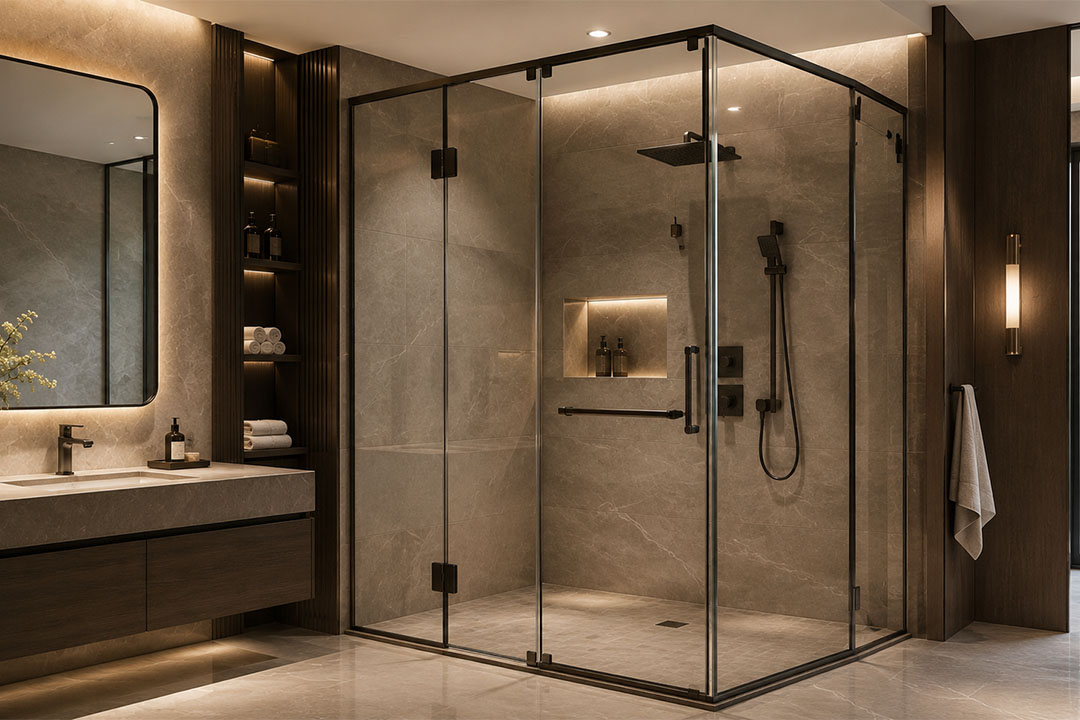
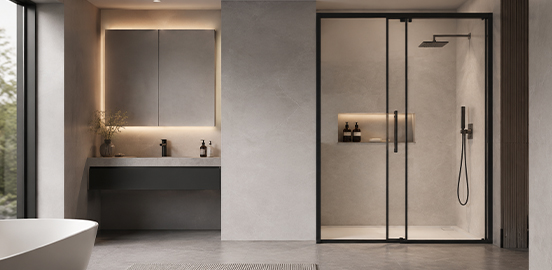
Product range is also important. Different markets demand different styles and configurations. Some customers prefer minimal sliding shower doors for compact residential bathrooms. Others may need hinged or corner-entry options for larger layouts. In hospitality and apartment projects, standardization and coordinated sourcing may be especially important. A supplier with a broader range of shower enclosure solutions is often better positioned to support varied project and market demands.
Customization support is another major factor. Many international buyers do not work with a single bathroom layout or one standard size. Projects may require adjustments in dimensions, glass types, frame finishes, and hardware details. A manufacturer that supports customization gives importers more flexibility in serving different customer groups. This is especially useful for businesses supplying project orders, distributors with multiple market segments, or clients working with tailored bathroom designs.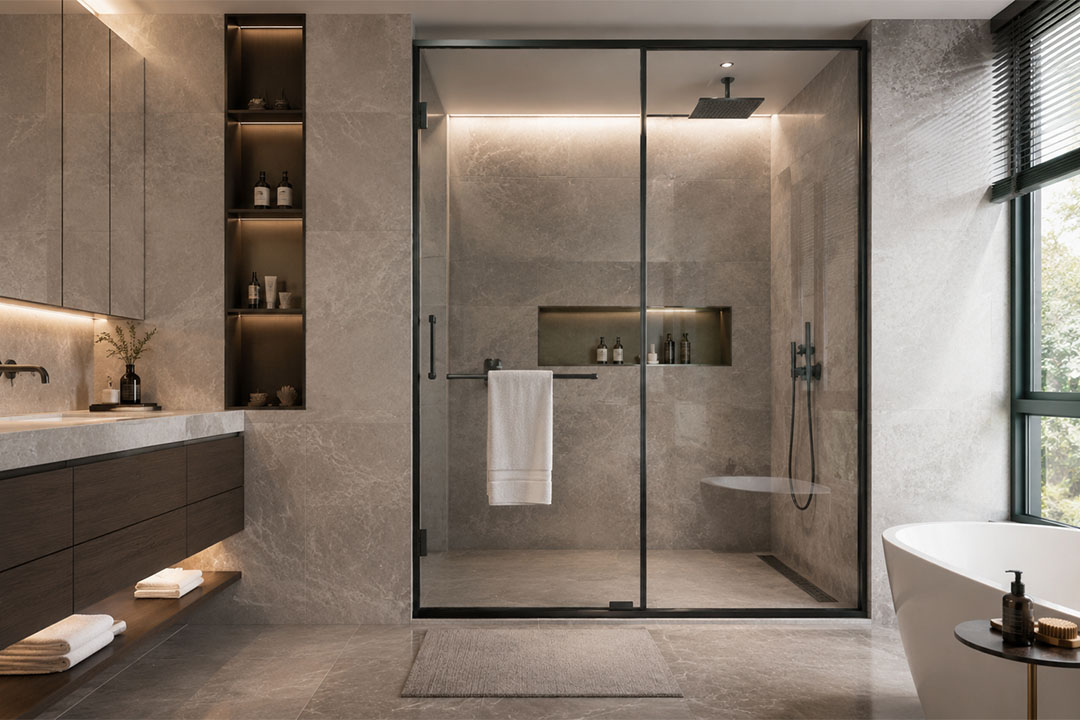
Consistency in manufacturing should also be a key consideration. Shower enclosures may appear simple, but consistency in finishing, fitting, and assembly matters a great deal. Small variations can affect the visual quality of the final product and influence the overall user experience. Importers should look for suppliers that place attention on product workmanship and stable output. A dependable production system helps reduce issues in installation, replacement, and long-term use.
The visual quality of a shower enclosure is especially important because bathrooms are now treated as part of a project’s design identity. In many modern homes, villas, hotels, and serviced apartments, the bathroom is no longer seen as a purely functional room. Buyers are paying more attention to clean lines, coordinated finishes, and a modern overall look. A good shower enclosure supplier should be able to support this direction with products that align with current design preferences.
Efficient communication also plays a major role in supplier selection. For international sourcing, shower enclosure orders often involve confirmation of dimensions, structural details, packaging, and shipping coordination. Importers usually prefer manufacturers that can communicate clearly, provide timely responses, and support order follow-up effectively. Communication quality has a direct impact on sourcing efficiency, especially when dealing with repeated orders or project-based business.
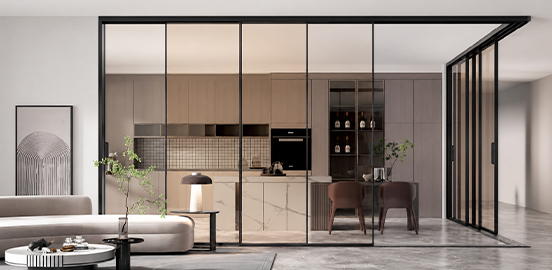
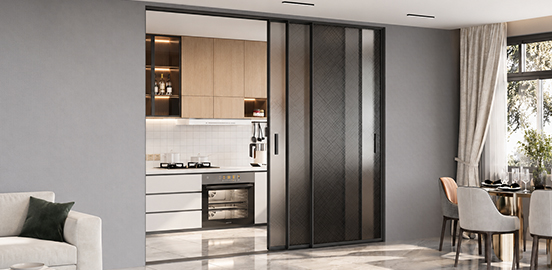
Another useful advantage is whether the supplier offers related product categories. Many importers in the building materials sector do not only source shower enclosures. They may also handle aluminum windows, doors, or glass railing systems. Working with a manufacturer that covers multiple related categories can simplify procurement and create more coordinated supply opportunities. This can be particularly valuable for buyers serving broader construction or interior building projects.
Market positioning should also be considered. Not every supplier is suitable for every market. Some are more focused on lower-cost standard products, while others may be better suited to projects that value customization, finish quality, or coordinated product support. Importers should evaluate whether the supplier’s product style, communication approach, and manufacturing capability match the expectations of their target market.
Long-term cooperation also depends on more than the first order. Buyers should consider whether the supplier appears capable of supporting ongoing business. Stable communication, reliable order handling, and product consistency all contribute to a smoother long-term relationship. A shower enclosure supplier should not only be able to deliver one shipment, but also support the buyer’s business development over time.
In international trade, sourcing decisions affect more than procurement cost. They influence customer satisfaction, project coordination, and brand reputation in the buyer’s own market. That is why importers should take a broader view when evaluating shower enclosure suppliers. The best choice is not simply the one with the lowest quotation. It is the one that offers the most suitable combination of product fit, manufacturing reliability, and cooperation efficiency.
As demand for modern bathroom solutions continues to grow, shower enclosures will remain an important category for importers and project buyers. Choosing the right supplier can help businesses offer better product options, serve different project types more effectively, and build a stronger position in the building materials market.